Advertisement

How to Save Money on Home Insurance
By Juliana Daniel / Jan 01, 2026

Liability vs. Responsabilidad: Legal Jargon Differences in English and Spanish
By Juliana Daniel / Mar 23, 2026

The Language of Mergers and Acquisitions: M and A Deal Spanish Vocabulary
By Juliana Daniel / Mar 23, 2026

What Is The Best Month To Visit Napa Valley?
By Juliana Daniel / Jan 14, 2026

Key Spanish Terminology for the Tech and SaaS Industry
By Juliana Daniel / Mar 23, 2026

What Is Extended Trading?
By Rick Novak / Jan 19, 2026
Advertisement
Liability vs. Responsabilidad: Legal Jargon Differences in English and Spanish
Mar 23, 2026 By Juliana Daniel
Don't Get Lost in Translation: Your Contract Demands Precision
Let's be real. When you're dealing with international contracts, a simple dictionary isn't gonna cut it. You can't just plug words into Google Translate and hope for the best. Especially with loaded terms like "liability" and "responsabilidad." They might seem like perfect twins in a bilingual glossary, but in the legal world? They're more like distant cousins who show up to the family reunion arguing about money. At best, using them interchangeably is sloppy. At worst, it could cost you millions.
The Legal DNA of "Liability" in English-Speaking Courts
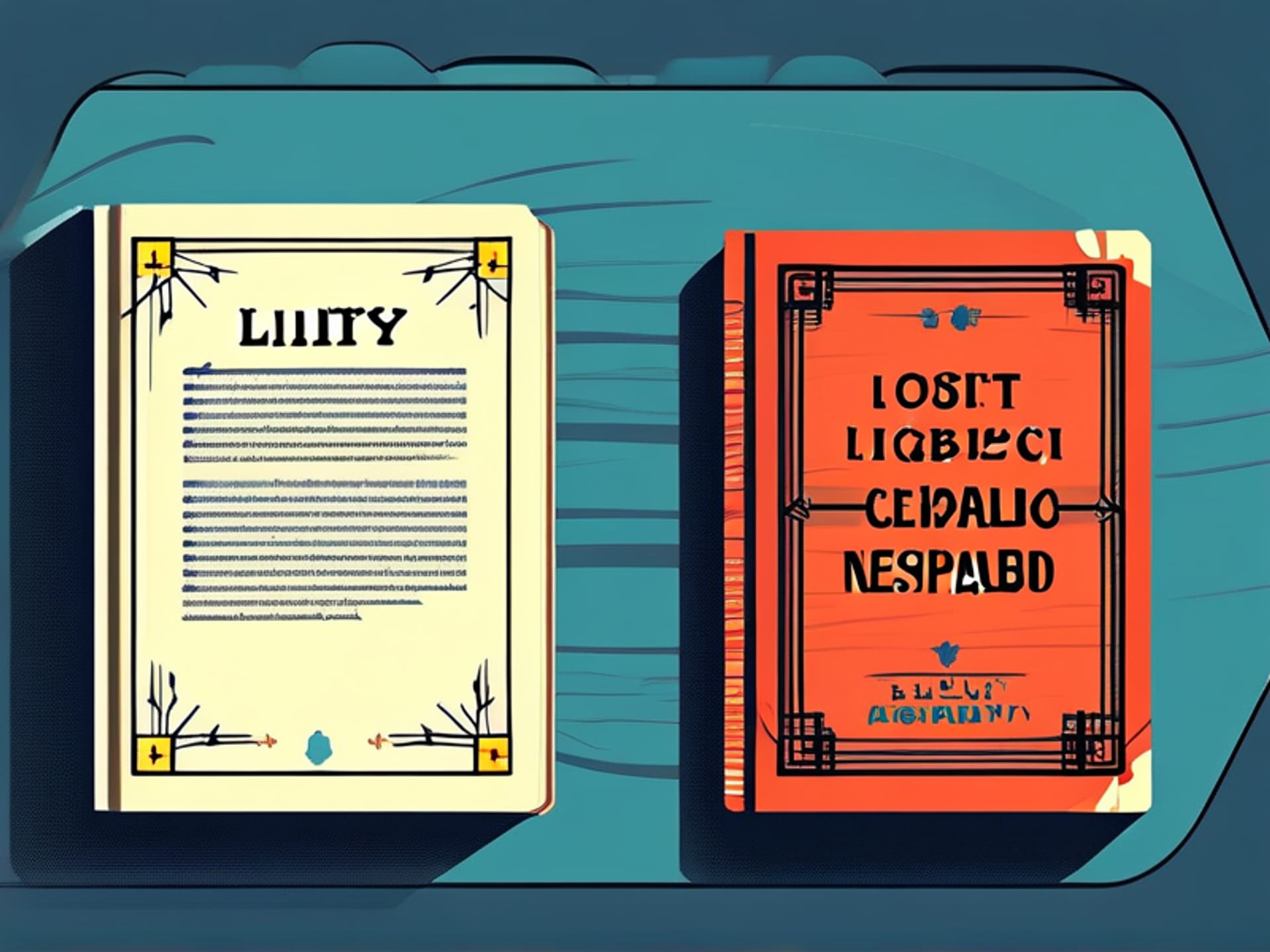
English lawyers think of "liability" as a specific, often financial, burden. Think debts you owe, fines you incur, or damages you're legally on the hook for because of something you did (or didn't do). It's a cold, hard legal reality. "The defendant has liability for the breach," or "The company's liabilities exceeded its assets." It's about legal consequences and hard numbers. Very corporate. Very bottom-line.
How "Responsabilidad" Behaves in the Spanish-Speaking World
Responsabilidad, on the other hand, has a broader shadow. Sure, it covers legal and financial duty, but it also carries a heavier cultural weight. It implies a sense of duty, accountability, and moral obligation that goes beyond the balance sheet. It's about being "responsible" in a holistic way. For a native Spanish speaker, saying someone is "responsable" often speaks to their character, not just their legal status. This nuance matters when a contract is being interpreted locally.
When the Rubber Meets the Road: Real-World Examples
Here's where it gets spicy. Take "strict liability." In English law, you're liable even if you weren't negligent. The Spanish term "responsabilidad objetiva" might be used, but so might "teoría del riesgo" (risk theory), depending on the jurisdiction. Or "joint and several liability"? Now you're looking at "responsabilidad solidaria" in many Spanish codes. It's not just one word. It's unpacking a whole legal concept and finding the *right* local equivalent. These aren't synonyms. They're specific tools for specific jobs.
Beyond Words: The Cultural Contract Trap
You're not just translating words; you're navigating worlds. Common Law (think US, UK) and Civil Law systems (like Spain, Mexico) have fundamentally different machinery. A "warranty" in English isn't a "garantía" in the same way. The entire clause might need to be re-engineered, not translated. A direct, word-for-word conversion could create a legal ghost—a phrase that fits syntactically but has zero legal force in the target jurisdiction. That's a terrifying loophole.
Your Professional Move: It's About Interpretation, Not Translation
So what's the play? Simple. Stop thinking of it as translation. Start thinking of it as expert legal adaptation. You need a professional who speaks both languages *and* understands the legal DNA of both systems. They won't just swap words; they'll identify the legal function of a clause in English and craft a clause in Spanish that fulfills the exact same function—legally and culturally. Anything less is just crossing your fingers and hoping you don't get sued.
On this page
Don't Get Lost in Translation: Your Contract Demands Precision The Legal DNA of "Liability" in English-Speaking Courts How "Responsabilidad" Behaves in the Spanish-Speaking World When the Rubber Meets the Road: Real-World Examples Beyond Words: The Cultural Contract Trap Your Professional Move: It's About Interpretation, Not Translation
The Spanish of Marketing: From Branding to Digital Analytics
By Juliana Daniel / Mar 23, 2026
The Spanish of Marketing: From Branding to Digital Analytics

Distinguishing Subordinated Debt from Senior Debt: Key Financial Distinctions
By Kelly Walker / Jan 03, 2026
Explore subordinated vs. senior debt: differences, risks, and when to use each in finance. Make informed debt choices.

Best of Austin: Top 10 Restaurants Every Foodie Should Visit
By Paula Miller / Mar 11, 2026
Discover the top 10 places to eat in Austin, featuring some of the best restaurants in Austin. Whether you're into tacos, BBQ, or fine dining, this guide has you covered

Humayun's Tomb, Delhi Information with History, Timings, and More
By Juliana Daniel / Mar 14, 2026
Discover the Mughal splendor and architectural sophistication of Delhi's famed Humayun's Tomb. So, what are you waiting for.

Building a Personal Spanish Glossary for Your Industry
By Juliana Daniel / Mar 23, 2026
Building a Personal Spanish Glossary for Your Industry
Spanish for Software Localization: Key Concepts for Product Managers
By Juliana Daniel / Mar 23, 2026
Spanish for Software Localization: Key Concepts for Product Managers